Account
-
Safe payment options
We only work with the most secure payment systems.
No products in the cart.
You dont have any products in your cart yet, add a few products to experience this experience.
What to Do When Your Car Parts Start Wearing Out
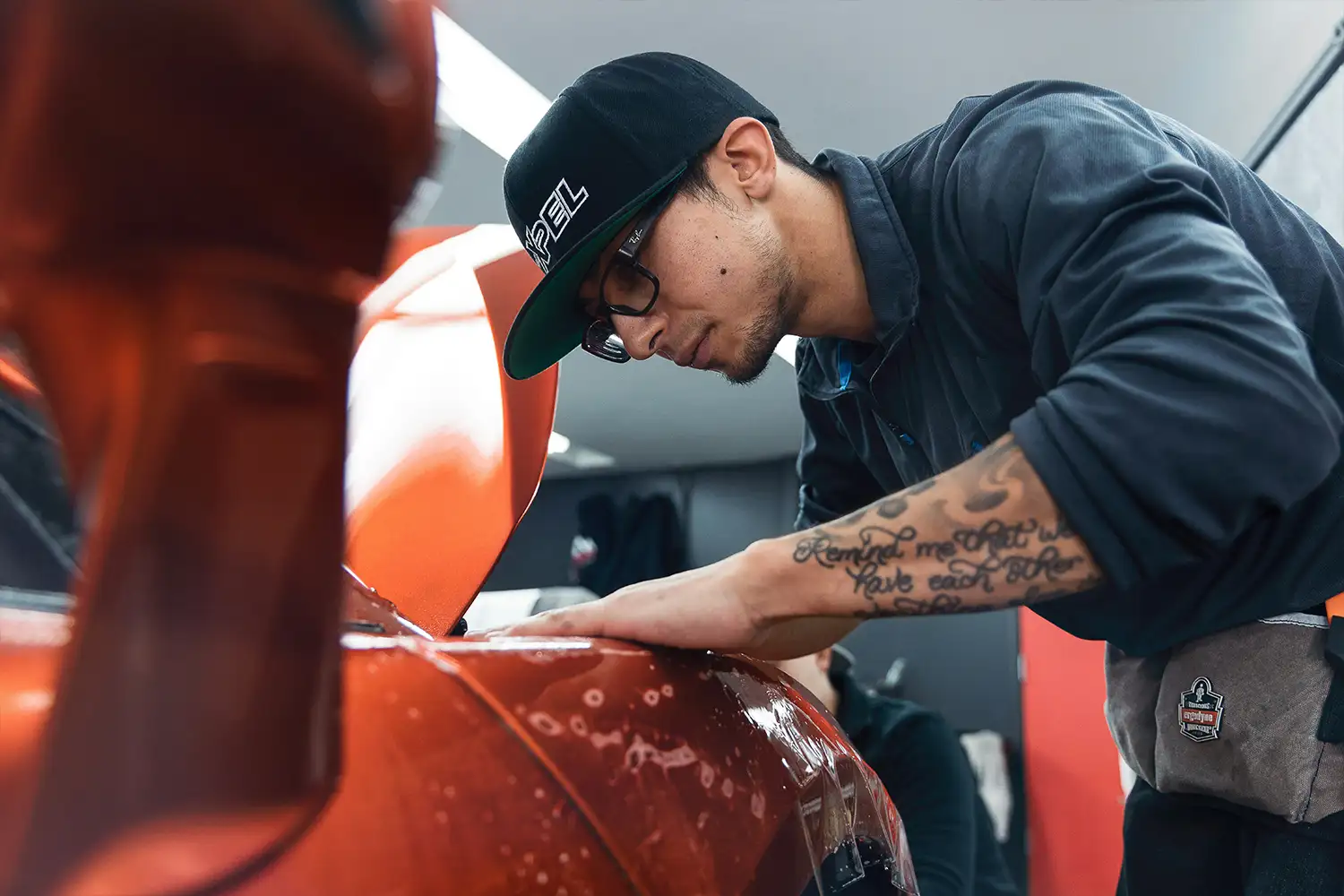
Every car needs maintenance, and sooner or later, certain parts will begin to wear out. Whether you drive every day to work, make regular highway trips, or use your vehicle for running errands, normal driving puts stress on many of its components.
The good news is that most car parts give you warning signs before they fail completely. Knowing what to look for can help you avoid unexpected breakdowns, keep your vehicle running smoothly, and save money on repairs.
Here are some common signs of wear and what you can do when they start showing up.
1. Pay Attention to Unusual Noises
Unusual sounds are often one of the first signs that something needs attention. Squealing when you brake, knocking over bumps, or grinding while driving can all point to different problems.
For example, worn brake pads may produce a high-pitched squeal, while worn suspension components can cause clunking noises when driving over uneven roads. Grinding sounds from the brakes should be checked as soon as possible, as they may indicate more serious wear.
Don’t ignore new noises or assume they will go away on their own. Have the problem inspected and replace any worn parts before they cause further damage.
2. Check Your Brakes Regularly
Your braking system is one of the most important parts of your vehicle. Brake pads, rotors, and other components wear down over time, especially if you drive frequently in traffic.
Some common warning signs include:
-
Squealing or grinding when braking
-
Vibrations through the brake pedal or steering wheel
-
A longer stopping distance than usual
-
A brake pedal that feels different from normal
If you notice any of these symptoms, have your brakes inspected. Replacing worn brake pads early can sometimes help prevent damage to the rotors, saving you from a more expensive repair.
If your brakes are grinding, your vehicle is difficult to stop, or braking performance suddenly changes, avoid driving until the problem has been assessed.
3. Watch for Changes in Your Suspension
Your suspension system helps keep your ride comfortable and your tires in contact with the road. Over time, parts such as struts, shocks, control arms, and ball joints can wear out.
You might notice that your vehicle feels bouncy, pulls to one side, or makes clunking noises over bumps. Uneven tire wear can also indicate a suspension or alignment problem.
Road conditions can make a difference, too. Potholes, rough roads, and winter driving can put additional stress on suspension components.
If your vehicle no longer handles the way it used to, have the suspension checked. Replacing worn components can improve stability, handling, and overall driving comfort.
4. Don’t Ignore Worn Tires
Your tires are the only parts of your vehicle that make direct contact with the road, so their condition matters more than many drivers realize.
Check your tires regularly for low tread depth, cracks, bulges, and uneven wear. Tires that are wearing more heavily on one side may point to incorrect alignment, improper inflation, or worn suspension parts.
Make sure your tires are inflated to the pressure recommended by your vehicle manufacturer. Proper tire pressure helps with handling, fuel efficiency, and tire life.
If your tires are worn beyond the legal limit or show signs of structural damage, replace them promptly. Regular inspections can help you catch problems before they become a safety concern.
5. Look Out for Engine and Cooling System Problems
Engine-related problems can sometimes begin with small changes that are easy to overlook. You might notice a fluid leak under your vehicle, an unusual smell, rising engine temperatures, or a warning light on the dashboard.
Worn hoses, belts, and other components can eventually lead to larger problems if they are left unchecked. A damaged coolant hose, for example, can cause coolant loss and overheating.
Check your vehicle’s maintenance schedule to see when belts, filters, and other service items should be inspected or replaced. If the temperature gauge rises into the danger zone or a red oil pressure warning appears, stop safely and shut off the engine when appropriate. Continuing to drive can cause serious damage.
It’s usually less expensive to address a small issue early than to deal with the damage caused by a major component failure.
6. Replace Worn Parts Before They Affect Other Components
One worn part can sometimes put extra stress on other parts of your vehicle. For example, worn suspension components may contribute to uneven tire wear, while severely worn brake pads can damage brake rotors.
This is why it’s important to address problems when they first appear rather than waiting until something fails completely.
When replacing a part, make sure the replacement is compatible with your vehicle’s exact year, make, model, and engine where applicable. Some vehicles have different parts depending on their trim level, production date, or drivetrain.
If you’re unsure which part you need, check your vehicle’s specifications and compare the part numbers where available. Getting the correct replacement the first time can save you time and avoid unnecessary returns.
7. Choose Replacement Parts That Fit Your Vehicle
Finding the right replacement part doesn’t have to be complicated, but it’s worth taking a few extra minutes to confirm compatibility before ordering.
Start by identifying your vehicle’s year, make, and model. Depending on the part, you may also need to confirm the engine size, trim, drivetrain, or production date.
Read the product description carefully and review any listed fitment information. If you’re replacing an existing component, its part number can also help you identify a compatible replacement.
Price matters, but it shouldn’t be the only factor in your decision. Consider the part’s specifications, intended application, warranty, and the reputation of the seller.
At ProLine Auto Parts, our goal is to help drivers find replacement parts for their vehicles without making the process more difficult than it needs to be. Taking the time to confirm fitment before purchasing helps you order with greater confidence.
8. Make Preventive Maintenance a Habit
You don’t have to wait for a warning light or an unusual noise before checking your vehicle. Regular maintenance can help you identify worn parts while there’s still time to address them.
A few simple habits can make a difference:
-
Follow the maintenance schedule in your owner’s manual.
-
Check your tires and fluid levels regularly.
-
Pay attention to changes in braking, steering, and handling.
-
Have unfamiliar noises or leaks inspected promptly.
-
Keep track of previous repairs and upcoming service intervals.
Your driving habits and local conditions will affect how quickly different parts wear out. A vehicle driven mostly on rough roads or in stop-and-go traffic may need certain components replaced sooner than one driven mainly on highways.
Keep Your Vehicle Running at Its Best
Worn car parts are a normal part of owning a vehicle, but ignoring them can turn a manageable repair into a more expensive problem. Paying attention to warning signs, keeping up with maintenance, and choosing the correct replacement parts can help extend the life of your vehicle.
Whether you need brake components, suspension parts, filters, or other automotive replacements, start by identifying the problem and confirming which parts fit your vehicle.
Looking for replacement auto parts? Visit ProLine Auto Parts to explore available parts for your vehicle and find the components you need to keep your car on the road.